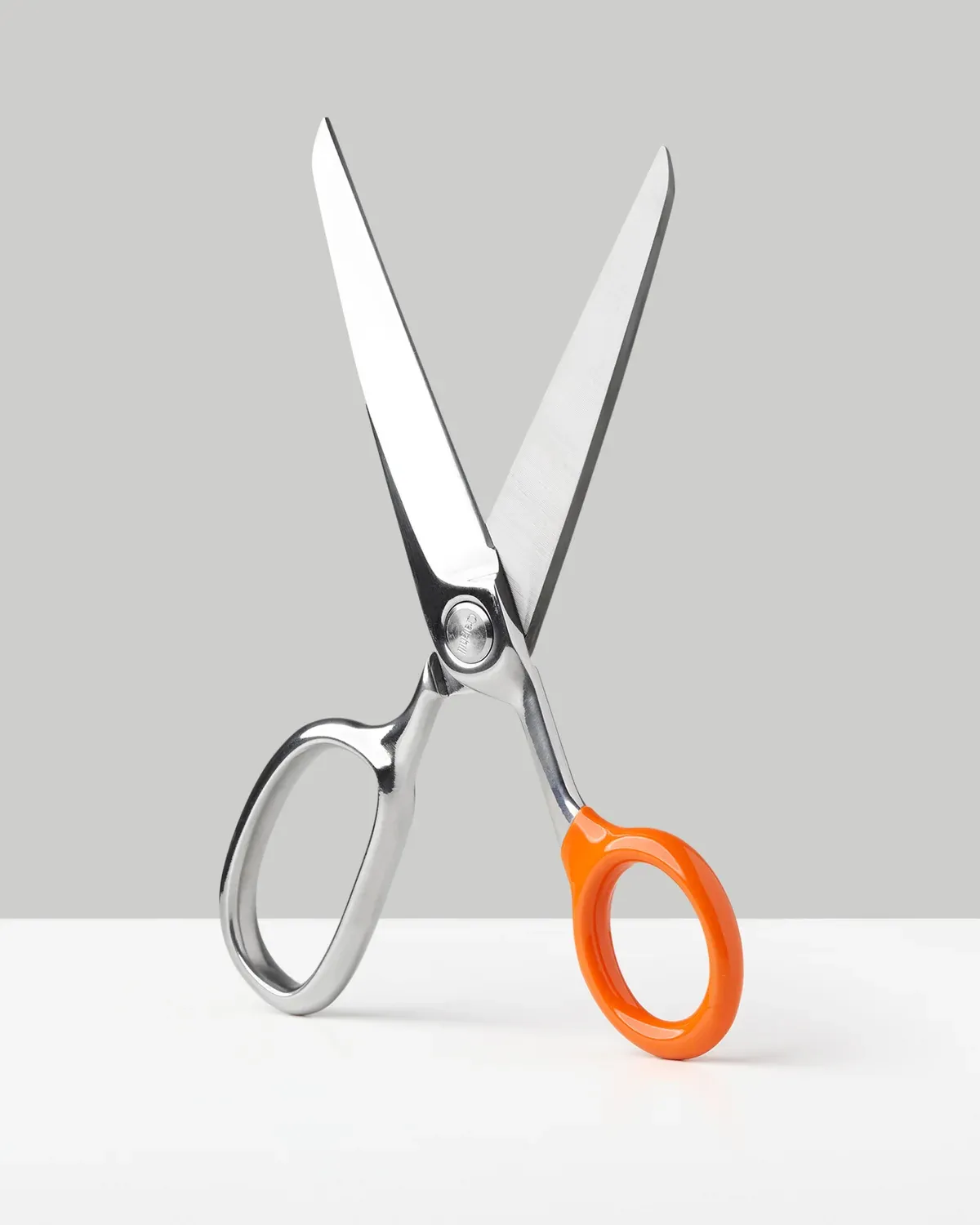
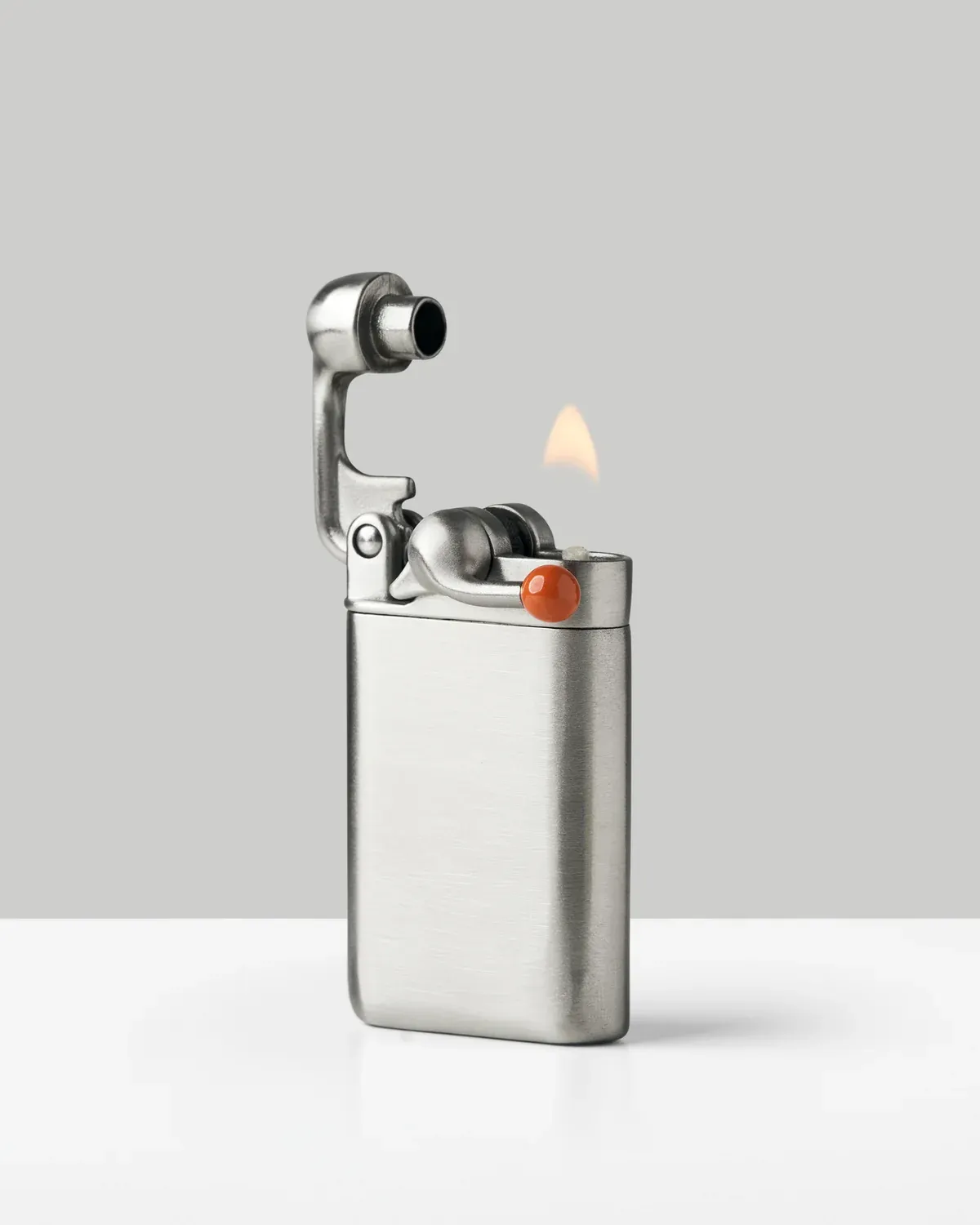
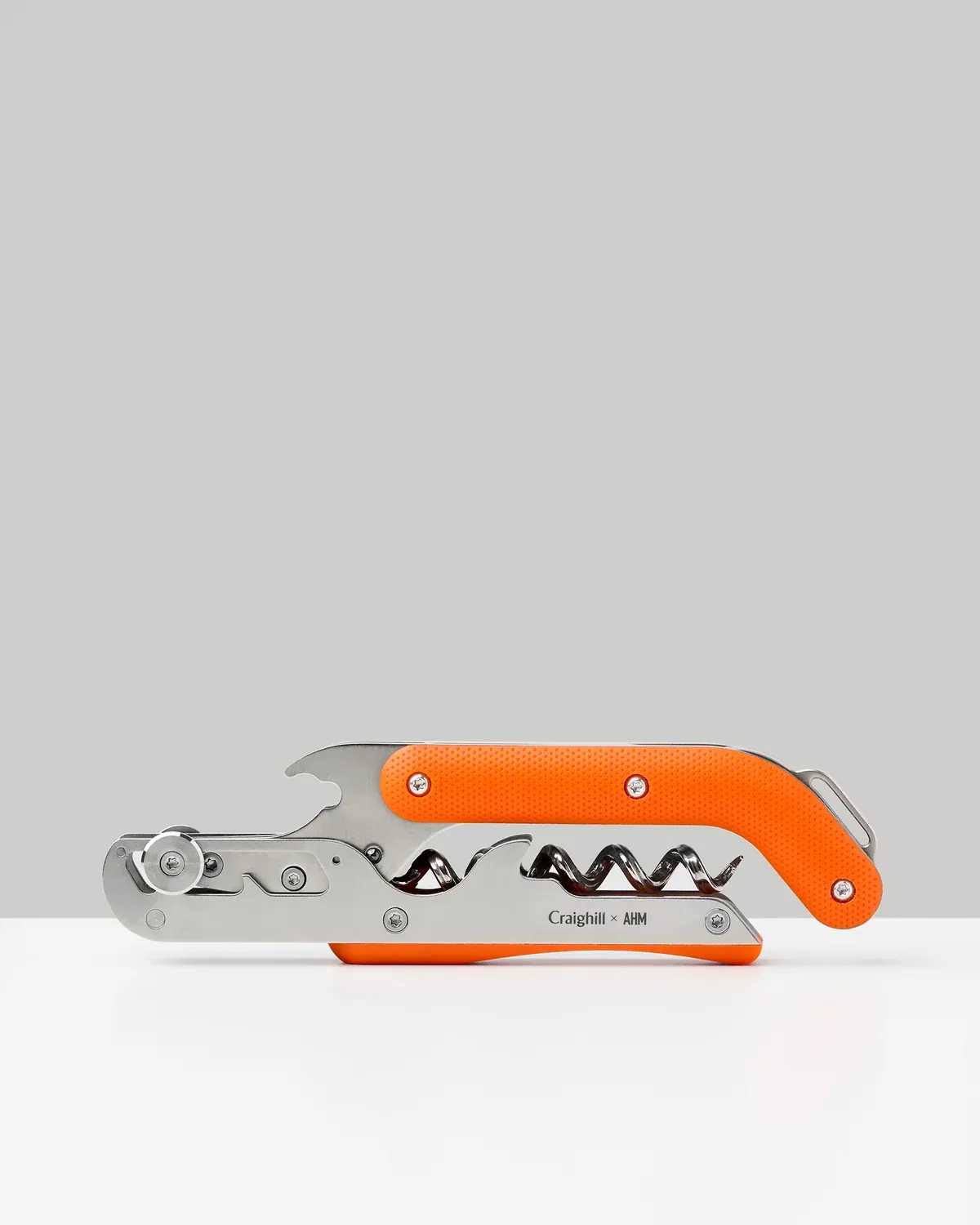
Craighill
Rethinking the things we take for granted.
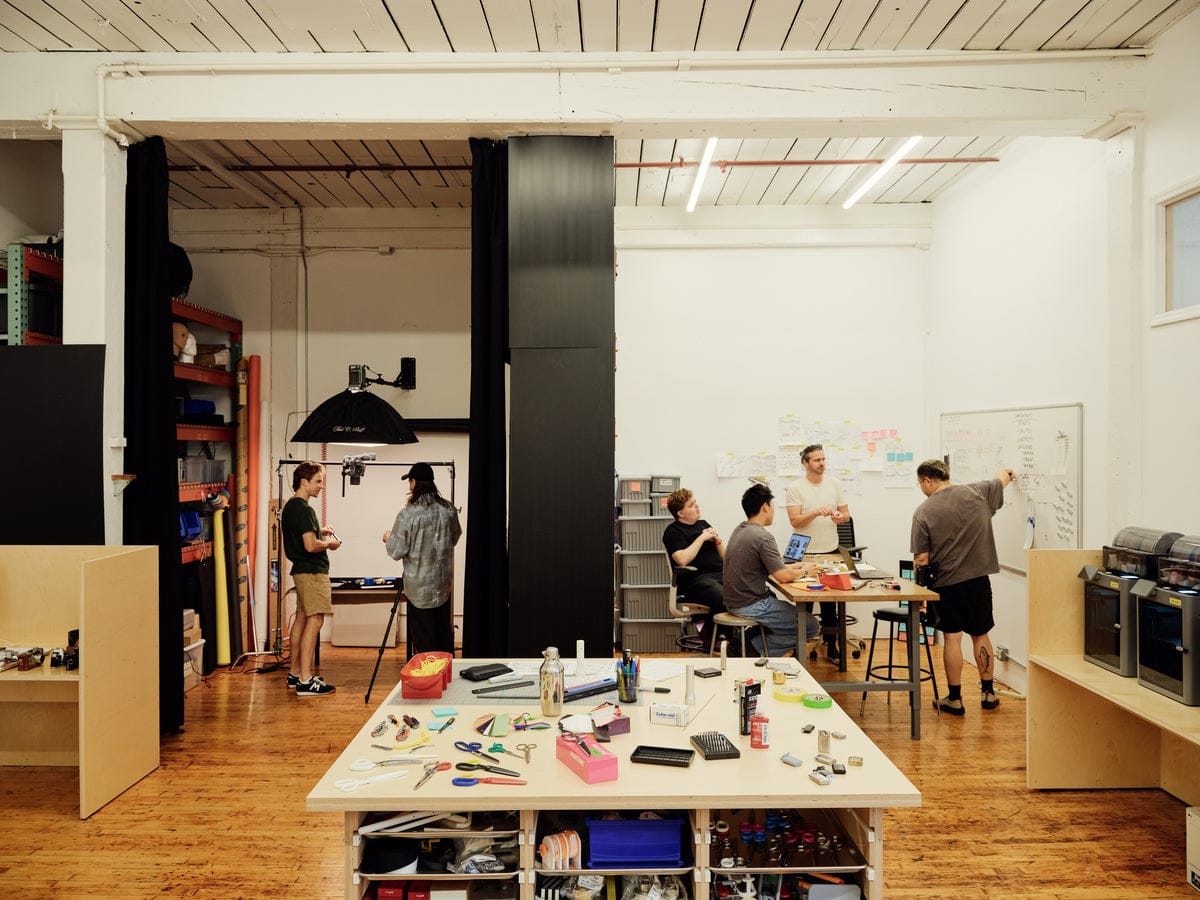
Most of the things we use every day are invisible to us. Not literally. We see them, pick them up and put them down thousands of times. But we rarely think about them.
A bottle opener is a bottle opener. A keyring is a keyring. A pen is a pen.
Once an object works well enough, we tend to stop asking questions about it.
The Brooklyn-based design company has built its business around a deceptively simple idea: ordinary objects are worth thinking about.
Not reinventing them for the sake of novelty. Not covering them in unnecessary technology. Simply looking at familiar things again and asking whether they could be better.
That sounds straightforward but it isn't.
Nothing is ever quite finished
The easiest thing for a designer to do is accept the assumptions built into an existing object.
A keyring needs a split ring. A bottle opener needs a particular shape. A desk accessory should look like a desk accessory.
These conventions are so familiar that they stop looking like decisions.
Craighill treats them as decisions again.
Its products often begin with objects that are almost aggressively ordinary. The sort of things that don't normally attract attention, let alone inspire a design company.
But that ordinariness is precisely what makes them interesting.
If something is used every day, even a small improvement can matter.
A better weight. A more satisfying mechanism. A different way of holding it.
A material chosen not simply because it is practical, but because it feels good in the hand.
A shape that makes the object easier to understand without requiring an instruction manual.
The pleasure of a well made thing
There is a particular satisfaction in using an object that has been properly considered. You notice it almost immediately.
A drawer closes with exactly the right resistance. A pen sits comfortably between your fingers. A tool has a reassuring weight. A mechanism moves with a precision that makes you want to use it again.
Craighill operates in the space between functional and pleasurable.
There is something satisfying about discovering that an object you previously regarded as entirely mundane can be both useful and enjoyable.
You pick up the object and, for a moment, actually notice it.
Designing for the hand
Much of Craighill's appeal comes from its physicality.
In an age when so much of what we interact with is flat glass, the company makes things that demand to be picked up.
These aren't objects designed to disappear completely into the background. They are designed to be experienced.
A great deal of contemporary product design is concerned with making things smaller, thinner, lighter and more convenient. Craighill seems equally interested in another question:
What if an object simply felt good to use?
The everyday deserves attention
There is a tendency to reserve serious design thinking for "important" things.
But we spend our lives surrounded by objects that are considerably less glamorous.
The things on our desks, the things in our pockets, the things in our kitchens, the things we reach for without thinking.
Craighill's work suggests that these objects aren't beneath our attention simply because they're small.
In fact, their familiarity might make them more deserving of it.
Better, not different
This is where Craighill's philosophy becomes particularly interesting.
There is a difference between innovation and improvement.
Innovation wants to introduce something new. Improvement asks whether the existing thing could be better. The latter is less glamorous.
It doesn't necessarily result in a product that looks revolutionary. Sometimes the finished object still looks remarkably similar to the thing it replaces.
But the difference is in the details. The proportions. The materials. The mechanism. The way it sits in your hand. The way it ages. The way it makes a tiny part of your daily routine feel better.
Craighill isn't trying to convince us that we need a revolutionary new way to open a bottle. It's asking whether opening a bottle could be a better experience.